
A smile is the secret ingredient to your practice
- Maddie

- Feb 26
- 2 min read

When we do our energy exercises, yoga, Qigong or any practice where we are in connection with our body, we are not just moving energy. We are communicating with every cell and energy flow.
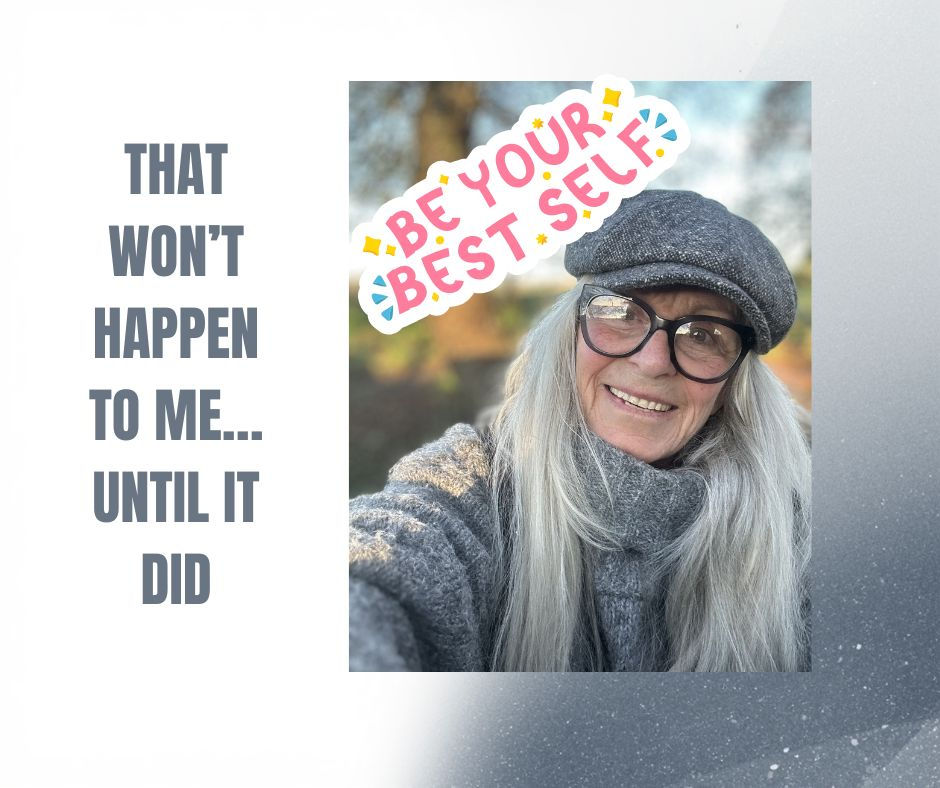
And one of the most powerful messages we can send is a smile.
Smiling isn’t just an emotional expression.
It’s biochemical.
The moment we smile — even a gentle, intentional smile — the brain begins releasing endorphins, our natural “feel-good” chemicals.
Endorphins reduce stress hormones like cortisol and signal safety to the nervous system.
They also stimulate dopamine and serotonin, which help regulate mood and increase resilience.
In other words, smiling tells the body: “You are safe. You can relax. You can receive.”
From a nervous system perspective, smiling helps shift us toward parasympathetic dominance — the “rest, digest, and repair” state.
And that’s exactly the state where healing and energy regulation happen most effectively.
When the body feels safe:
· Muscles soften.
· Breathing deepens.
· Circulation improves.
· The fascia becomes more receptive.
· Energy pathways flow more freely.
If we exercise with tension, frustration, or efforting, the body can subtly resist.
But when we smile — even if we don’t feel like smiling — we send a signal of cooperation.
It’s as if the body says: “Oh, this feels good. I’ll go along with this.”
Smiling also changes the electrical tone of the face and Vagus nerve.
The facial muscles are deeply connected to the heart and the autonomic nervous system.
A soft smile stimulates the Vagus nerve, which improves heart rate variability and enhances emotional regulation.
In Energy Medicine terms, it strengthens the triple warmer’s ability to stand down and allows the radiant circuits to light up.
When we smile during the Daily Energy Routine, we engage joy.
Joy is expansive.
It widens the field.
It invites flow.
Energy responds to emotion — and joy amplifies movement.
So whatever ‘exercise’ you do — do it with a smile.
Not a forced grin.
Just a gentle lifting at the corners of the mouth.
A softness in the eyes.
You are telling your body:
“This is good for you.” “
"We are working together.”
"This is nourishing.”
And that cooperation makes our practice more effective — not because we are trying harder, but because we are allowing more.

Comments